About Commercial Roofing Naperville
A marked roof zone gives a property manager a better starting point than an unlabeled repair photograph. We use a commercial roof inspection to examine the roof, explain what the detail shows, and connect each recommendation to the building’s use and access. Commercial Roofing Naperville works with owners, property managers, facilities teams, and contractors who need a clear path from a reported problem to a defined scope.
We begin with the building
Our first step is to understand the property and the question behind the visit. A water stain, loose metal, standing water, worn coating, or planned capital project points to a different inspection order. We ask for the street address, roof plan, installation or warranty records, past repairs, reported room, and the person who can release access. Those details help us locate the right roof section and avoid confusing one building’s history with another’s.
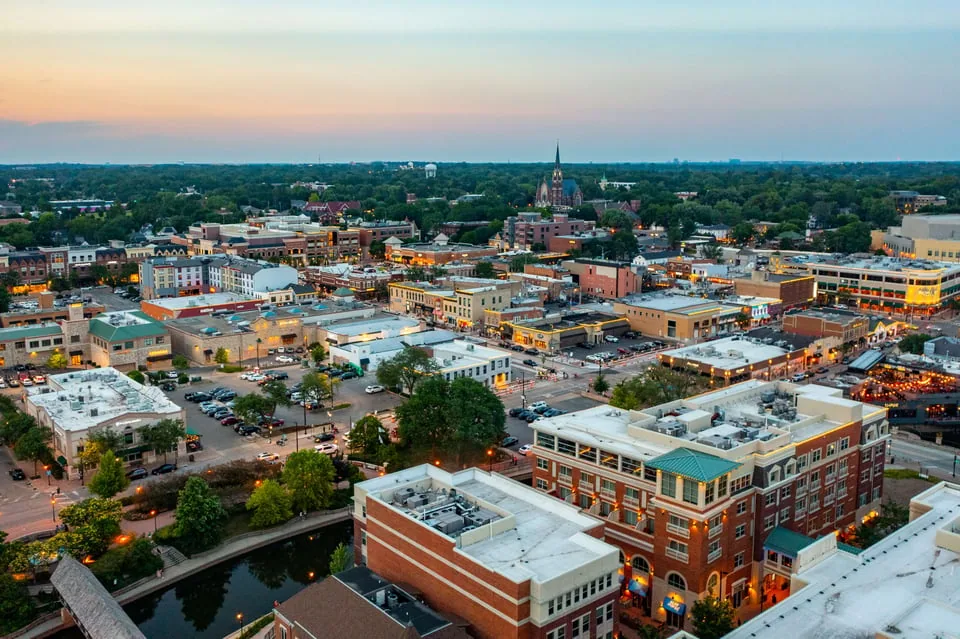
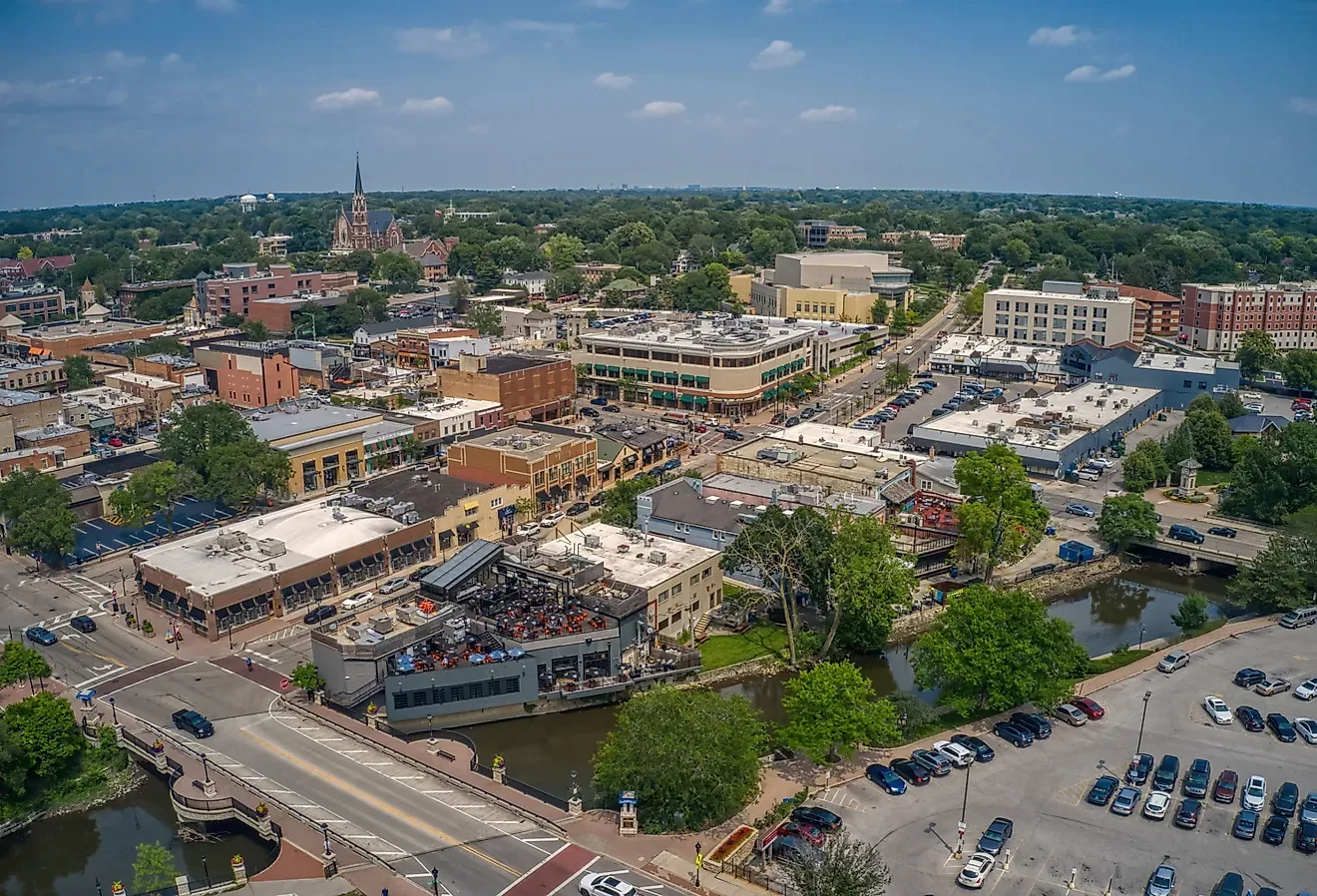
Naperville’s commercial properties span Downtown Naperville, the Ogden Avenue and Route 59 retail corridors, and I-88 office and research areas. Cantera in Warrenville brings corporate offices together with retail, residential, entertainment, hotel, restaurant, and medical uses. These local patterns help us plan entrances, staging, deliveries, and occupied-area protection. They do not establish the roof assembly at any address. We verify that from drawings, exposed edges, labels, seams, and field inspection.
We inspect connected details
A roof is a system of surfaces and connections. We look at seams, drains, scuppers, coping, parapets, skylights, curbs, pipe penetrations, and equipment supports. If water is reported indoors, we compare the room with roof geometry and follow plausible paths across the surface and through concealed layers. One opening may not sit above the stain, so we test details that can explain the movement rather than stopping at the nearest visible feature.
The inspection records the material observed, the locations checked, any moisture readings, and access limits. A seam probe, bond check, controlled water test, infrared moisture survey, or test cut is selected for the question it can answer. We explain what each result changes in the repair or replacement decision. If the assembly is not clear, we say what additional inspection would establish before choosing components.
We repair and maintain commercial roofs
When the defect is bounded and the surrounding material can receive a repair, we prepare the usable edge, select compatible materials, and document the work. Drain cleaning and membrane repair are recorded separately so the manager can see which condition was addressed. If an active leak requires immediate stabilization, we secure the opening when site conditions permit, then follow with an inspection to define permanent work.
A preventive maintenance visit can catch loose transitions, obstructed drains, failing sealant, or earlier repairs that need review. We inspect repeat locations and keep photographs tied to a roof plan. A maintenance visit is not a substitute for an assembly test when moisture or separation is suspected. If a coating, recover, or replacement is being considered, we check the existing layer, substrate, edge heights, and details before describing options.
We plan work around operations
A commercial building may need its entrances, production areas, loading routes, equipment service, or tenant schedules preserved. We coordinate access with the manager and identify the ground area below roof work. Larger projects can proceed by section through an occupied-building work plan, with a clear daily boundary and temporary close-in. The plan records who approves access, where materials can stage, and what must be checked before another section opens.
Naperville’s adopted code requirements depend on project timing and scope. The city reviews plans submitted on or after April 1, 2026 under the 2024 International Building Code and 2024 International Existing Building Code with local amendments. Illinois commercial energy requirements also apply according to current state rules. We confirm project requirements during planning and keep code questions tied to the work being proposed.
We document the decision
A useful roof condition report connects a roof zone, observed condition, test, material, and next step. We label photographs so a future manager can return to the same detail. For a repair comparison, we state the preparation, repair boundary, and follow-up check. A replacement comparison records the tear-off boundary, what the opened substrate reveals, perimeter details, and how exposed sections will be secured each shift. The point is not to recommend the largest scope; it is to give the owner enough evidence to choose the work that addresses the condition.
A portfolio may include roofs installed at different times or by different systems. We keep each address and assembly distinct while using a consistent report structure. This helps an asset manager compare needs without treating all buildings as equivalent. Records can include product data, warranty documents, repair history, maintenance notes, test locations, and access instructions. A good record makes the next visit more specific and reduces repeated discovery.
Talk with a roofing professional
If you have an active leak, share the affected room, current conditions, and who can release access. If you are planning maintenance or replacement, send the roof plan, installation records, prior scopes, and any known test results. We can then decide whether the first step is a targeted repair, a broader inspection, or a condition survey. If the building remains occupied, include the manager who can coordinate work areas and communicate with tenants or operations.
Our work is focused on commercial roofing: inspection, repair, replacement, recover, restoration, coating, and maintenance for low-slope and metal systems. We also prepare written condition reports, infrared and drone surveys, and insurance claim documentation when appropriate. Every recommendation starts with the roof and site in front of us. Contact Commercial Roofing Naperville to arrange an inspection and share the details that will help us begin in the right place.
Questions from Naperville Building Owners
Who do you work with?
We work with commercial building owners, property managers, facilities teams, asset managers, and general contractors. The person who controls roof access should be included in the inspection plan.
What roof systems can you inspect and repair?
Our work covers low-slope and metal commercial roofs, including TPO, PVC, EPDM, KEE, modified bitumen, built-up, standing seam, retrofit metal, spray foam, and coating systems. We verify the system before selecting repair materials.
Can you help with a roof leak and a long-term plan?
Yes. We locate the condition, document test findings, and explain immediate repair options. If the roof has broader needs, we can compare maintenance, restoration, recover, and replacement based on the observed assembly.
How do you plan work in an occupied building?
We coordinate roof access, entrances, staging, the area below, and daily close-in with the building contact. Larger projects can be divided into sections so operations know where work is active.
What should I send before requesting an inspection?
Send the property address, reported room or roof detail, roof plan, installation or warranty records, prior repair notes, and the person who can release access. Include any schedule or operating limits that affect the visit.