
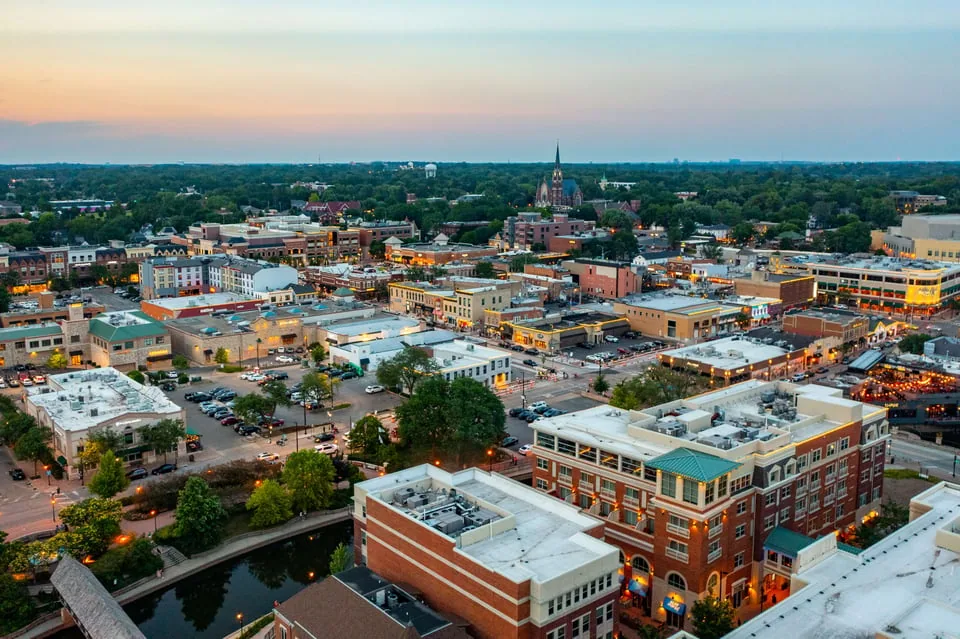
Office Building Roofing in Naperville, IL
The drain clamping hardware is loose while the adjoining sheet remains intact. The connection needs examination at the bowl before the membrane field is assumed to require removal. Office building roofing in Naperville, IL, distinguishes a component repair from a broader assembly concern. We inspect the receiving detail and supporting layers, then explain the material boundary and access needed for the appropriate work.
Commercial Roofing Naperville repairs, replaces and maintains roofs on commercial office properties. Tenant rooms, service equipment and entrances can influence the inspection and installation sequence. The roof findings establish the scope, including whether a local connection can be restored or unsuitable layers require removal. We coordinate those findings with the manager so the work reaches the actual detail while the affected operations are arranged appropriately.
The bowl and sheet form one receiving connection
Loose or deteriorated drain components can affect the roofing junction even when water passes into the outlet. We examine the hardware, flange and adjoining membrane together. The repair needs usable components and suitable support beside the bowl. A local adjustment is considered through those conditions, while damaged material may require reconstruction beyond the visible connection.
Our examination of office roof outlet details distinguishes the membrane transition from a discharge restriction. We follow the receiving route and identify the work required at each affected component. The manager receives an explanation of why clearing an outlet differs from rebuilding its roofing connection. That distinction avoids removing sound field material without examining the part that actually needs attention.
We also inspect the surface approaching the bowl. A low pocket can remain after hardware repair if the roof has no continuous route into discharge. Where that condition is present, we examine levels and explain any additional correction required. The completed detail should connect suitable sheet material to a receiving outlet and allow the surrounding surface to drain through it.
The tenant report needs an accessible roof location
A reported interior condition helps locate the affected room and the circumstances of water entry. We coordinate access with the manager and examine the relevant roof details above and nearby. The investigation may include outlets, curbs and field connections before a repair is proposed. Available installation and earlier repair information can help identify the assembly and the junctions already changed.
Investigation of an office roof leak relates those reports to physical observations. We identify a targeted check where it can distinguish possible entry points or establish the material boundary. Interior and roof access may need separate arrangements through the manager. The examination should reach the details that could change the repair rather than end with a room photograph and an unlocated recommendation.
Service equipment affects the concealed flashing
An operating unit can prevent examination of the roof connection on its equipment-facing side. We identify handling or shutdown needs with the responsible trade before the affected area is opened. The repair sequence includes the preparation and closure made possible by that access. A new patch along accessible corners should not be treated as reconstruction of a junction that remains concealed behind the unit.
Assessment of office equipment curb interfaces identifies roofing damage and any support question requiring appropriate review. We inspect the receiving layers where accessible and explain the next examination needed. A changed roof level during replacement may also reduce usable flashing height. Those dimensions and equipment arrangements should be assessed before the new field reaches the curb.
Service traffic can concentrate wear along the approach to equipment. We examine that route and discuss compatible protection where suitable. A walkway should receive repaired roofing and leave drainage and flashing available for inspection. The manager can coordinate its location with technicians so the access improvement addresses the route actually used rather than conceal a damaged or water-holding area.
The assembly comparison shows what the option retains
Localized repair can retain suitable field material where the defect is limited to a connection. Moisture, deterioration or unsuitable support may require broader investigation and removal. We inspect those conditions before comparing installation options. The proposal identifies the receiving membrane and layers available for new work, with appropriate support assessment where an exposed deck concern affects closure.
Assessment for office roof replacement includes outlets, curbs and perimeter details alongside the field. New insulation can change those relationships, requiring reconstruction of a connection that was usable at the original level. A suitable recover has a separate assessment of retained layers and project requirements. We explain the difference through material remaining in place rather than present the two approaches as the same work with a different surface finish.
Where several tenant spaces share the roof, installation stages need workable material boundaries as well as appropriate operating coordination. We examine which detail can be protected and closed during the planned stage. Equipment access or a concealed condition can alter that boundary. The manager receives the physical reason and the next work needed so scheduling stays connected to a complete roofing junction.
Local office development helps organize the visit
Naperville's I-88 corridor contains low-density office development and science and technology-related businesses. At a requested office property there, the manager identifies the actual rooms and equipment connected to the roof concern. We inspect the accessible assembly and explain any further access needed. The roof scope follows those observations through the receiving detail, with operating arrangements made around the work required.
An I-88 corridor office building can have equipment service and tenant access periods that influence the installation sequence. Cantera in Warrenville also includes corporate offices among its commercial uses. We establish each requested building's own routes and restrictions before planning material handling. The examination identifies whether a local component can be restored or whether the affected assembly requires a broader repair.
Related medical-office roof work and roofing for equipment-intensive data-center use can involve different operating requirements. Where an office property includes a specialized use, its responsible personnel identify the relevant restrictions. We assess the roofing connection and coordinate the needed access individually rather than assume that the same room schedule or equipment window applies across the property.
The completed component needs a recognizable condition
After repair, we identify the outlet, curb or sheet connection changed and the installed materials relevant to maintenance. Clearing debris and repairing a material defect require different actions. The manager should retain assembly information so later service uses compatible methods. A renewed concern can be reported through its actual roof location, allowing another visit to examine a defined component.
The regional winter record at Chicago O'Hare documents snow alongside recurrent freezing temperatures. Seasonal examination at a Naperville property can therefore consider actual retained water and access conditions around the outlet. We inspect the roof when safe and explain the physical correction needed. Maintenance remains directed at the drainage route and receiving material, rather than at an unspecified concern that winter weather might affect the entire building.
Commercial Roofing Questions
Does loose drain hardware require replacement of the surrounding field?
We inspect the bowl, membrane and support before setting the boundary. Suitable adjoining sheet may be retained while the connection is restored. Damaged components or deteriorated layers can require additional reconstruction, with the scope explained through the actual receiving detail rather than the hardware observation alone.
What tenant information helps arrange a leak investigation?
Identify the affected room, timing of entry and access restrictions through the responsible manager. Available roof and repair information helps organize the examination. We relate those reports to roof observations and identify any suitable further check needed before selecting the repair.
Why might a replacement require changes around office equipment?
The new field level can alter flashing height, while the equipment may conceal a junction needing reconstruction. We inspect those conditions and coordinate access with the responsible trade. The scope includes the detail adjustment and handling required to connect the new assembly correctly.
How can we distinguish outlet maintenance from roofing repair?
An obstruction can call for clearing, while damaged hardware, sheet or support requires material work. We examine the receiving connection and water route to identify the condition. The maintenance account should locate each action so the manager understands which work resolves the reported concern.