
Commercial Roofing for Hospitality Groups in Naperville, IL
The walkway pad has shifted against a flashing corner, wearing the sheet where service traffic changes direction. The membrane repair and the contact arrangement need to be considered together. Commercial roofing for hospitality groups in Naperville, IL, examines the damaged receiving detail and how it is used. We explain compatible reconstruction and the service-route question so the same contact is addressed before it acts on the new connection.
Commercial Roofing Naperville inspects and repairs hospitality roofing, with broader assembly options considered through the construction found. The property contact identifies occupied areas and equipment access requirements. We locate the material condition and explain a suitable work stage. Hotels managed by the same group can still need different preparation, support reconstruction and operating arrangements at their individual roofs.
The contact condition is part of the repair question
A wear mark can indicate where a walkway, support or service activity repeatedly meets the sheet. We inspect the accessible material and identify damaged membrane or support requiring reconstruction. The contact component is assessed with the responsible party where its handling or arrangement needs attention. A new patch should not be left beneath the same harmful interface without that dependency explained.
Reconstruction of hospitality roof details establishes the compatible receiving edge around the defect. Deterioration below the visible mark can change removal depth. We examine suitable locations and explain the usable material retained. A deeper support concern is separated for appropriate professional assessment before roof closure would conceal it.
Walkway protection must suit the installed assembly and actual service route. We identify the material question and any component review needed before selecting the arrangement. A changed route can expose another corner or outlet approach to contact. The detail is considered through its adjoining construction so protection does not simply move the damaging interface elsewhere.
Related service-equipment roof junctions can need trade coordination where a component blocks preparation. We explain the roof portion concealed and the handling that can release it. Roofing work then restores the affected connection through suitable material, with temporary protection discussed where the stages cannot occur consecutively.
Occupied spaces determine the access conversation
A guest-room report needs an identifiable interior location and appropriate roof examination. The operating contact establishes which spaces and working routes can be made available. We explain the assembly question requiring access. A room observation may help relate the symptom to the roof while another material check establishes the receiving detail needing work.
Investigation of hospitality roof entry assesses seams, flashing, outlets and equipment interfaces relevant to the reported condition. Water can travel before becoming visible indoors. We identify further examination where the entry route remains uncertain. The next step should answer a located question rather than assume the closest roof mark explains the room report.
Group personnel may coordinate maintenance while local personnel release equipment or occupied-area access. Related managed-property roof assessment keeps those roles tied to the actual building. We establish the receiving construction individually. Similar report descriptions do not remove differences in sheet, support or the components that control a suitable repair stage.
A useful follow-up request identifies the room or detail, examination needed and responsible contact. That account helps the property arrange relevant access without opening unrelated areas. Where safe conditions prevent a useful roof check, we explain the next suitable opportunity and material question still unresolved. The recommendation remains connected to the finding that can change the work.
Preparation and closure must fit the operating window
A convenient access date is only part of the installation arrangement. Removal depth, equipment handling, weather and material requirements influence what can be completed. We establish the assembly condition and receiving connection before the stage is selected. A revised window is explained through those physical dependencies so personnel can coordinate the next action.
Roofing stages at occupied hospitality properties distinguish work possible at the exposed detail from another activity requiring separate access. Responsible property personnel determine operating protection for affected spaces. The plan identifies suitable closure or temporary protection where needed. A short window should not leave a damaged concealed junction behind a finished accessible corner.
Broader installation can change curb and wall relationships. New field thickness may reduce the usable vertical sheet beneath an upper connection. We inspect those dimensions with outlet approaches before the proposed assembly is settled. Appropriate adjustment or further design review belongs in the scope, keeping the roof connected to its surrounding components.
Related retail and restaurant roof coordination can involve dining or commercial operations at another group property. The actual building's arrangements govern its access. Shared handling may suit some work, while a different membrane or equipment dependency needs its own stage. We explain the component difference before combining suitable activities.
Regional hospitality activity brings varied building settings
Cantera in Warrenville contains hotels and restaurants along with offices, medical facilities and other uses. A Cantera hospitality roof inspection examines the requested property's construction and reported detail. The local contact identifies equipment and operating spaces involved. We connect the repair finding to the receiving material and the access required for its preparation.
Warrenville's commercial activity also includes entertainment and warehouse or light-industrial uses around its I-88 setting. A hospitality group's regional properties can present varied adjacent activity and handling routes. We establish the actual arrangement at each building. Material reconstruction remains based on the inspected support and membrane connection, with the operating context informing how that work becomes available.
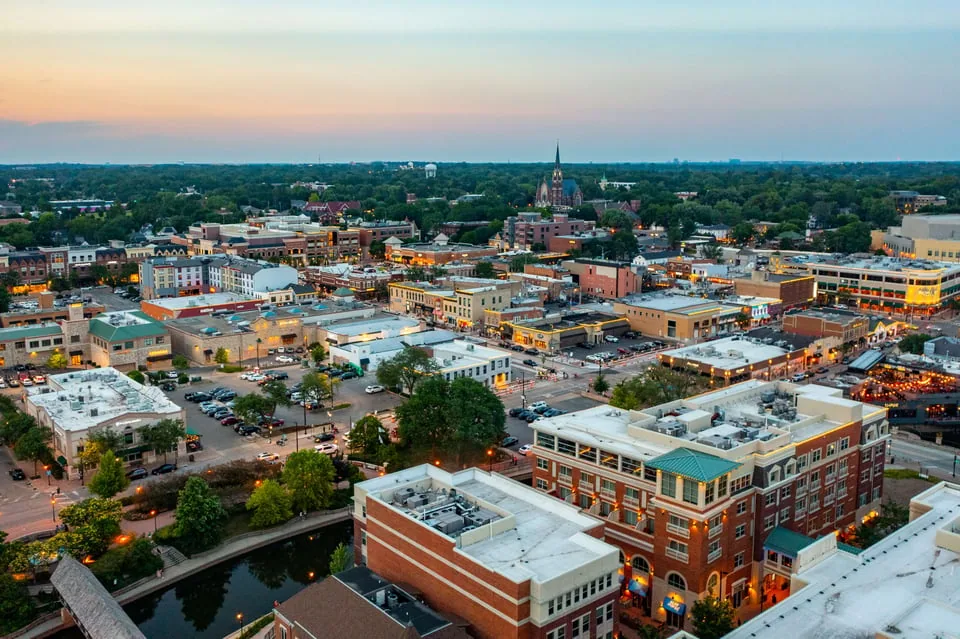
Naperville's downtown draws visitors through dining, independent shops and national retail. A requested property serving that setting may need entrances or service periods considered during roof handling. We discuss those requirements with responsible personnel. The examination identifies the component needing access so a working-route arrangement supports a defined material stage.
Drainage remains important alongside service routes. We locate debris or other obstructions separately from damaged sheet and hardware at an outlet. A clear approach supports maintenance access, while unsuitable roofing layers need appropriate reconstruction. If a low pocket requires level investigation, that question is explained before another surface application leaves the water path unchanged.
A return report should describe the detail that changed
After work, the property needs an identifiable repaired junction and relevant material information. Later equipment service should preserve the connection and avoid new contact at its edges. We explain any separate component action still requiring another party. This follow-up helps local personnel distinguish completed roofing from equipment or support review remaining in the sequence.
Ongoing examination of hospitality roof details keeps outlets and service approaches available for compatible care. Renewed movement, damage or retained water should be reported by recognizable location. We assess the changed condition and explain maintenance or material work needed. An unfamiliar patch should not obscure the receiving junction before its condition is understood.
For several group properties, findings remain attached to their individual roofs. Suitable scheduling can be shared where the physical work allows it. Each receiving connection still needs its support and preparation resolved. That distinction supports understandable maintenance instructions and repair boundaries at the building where the condition was actually examined.
Commercial Roofing Questions
Why examine the walkway arrangement along with sheet wear?
A displaced pad or repeated service contact can keep acting on the repaired membrane. We assess damaged material and identify the responsible component question. Suitable reconstruction and appropriate contact correction are coordinated so the receiving detail is not exposed to the same unresolved interface.
What helps investigate a guest-room leak?
An identifiable room location, reported timing and available roof information help arrange observation. We examine relevant accessible connections and identify further checks where entry remains uncertain. The roof finding determines the repair instead of assuming the nearest visible mark explains the indoor symptom.
Can the group combine work at multiple hotels?
Shared handling or dates may be suitable after each requested assembly is assessed. Different support conditions, membranes and equipment access can require separate stages. We explain those physical differences so grouped scheduling still permits proper preparation and closure at every receiving detail.
How is a changed work window assessed?
We relate the available access to removal, component handling and suitable material closure. Weather and installation conditions also affect the stage. The revised dependency is explained to responsible property personnel so the next activity makes the required roof connection available.