
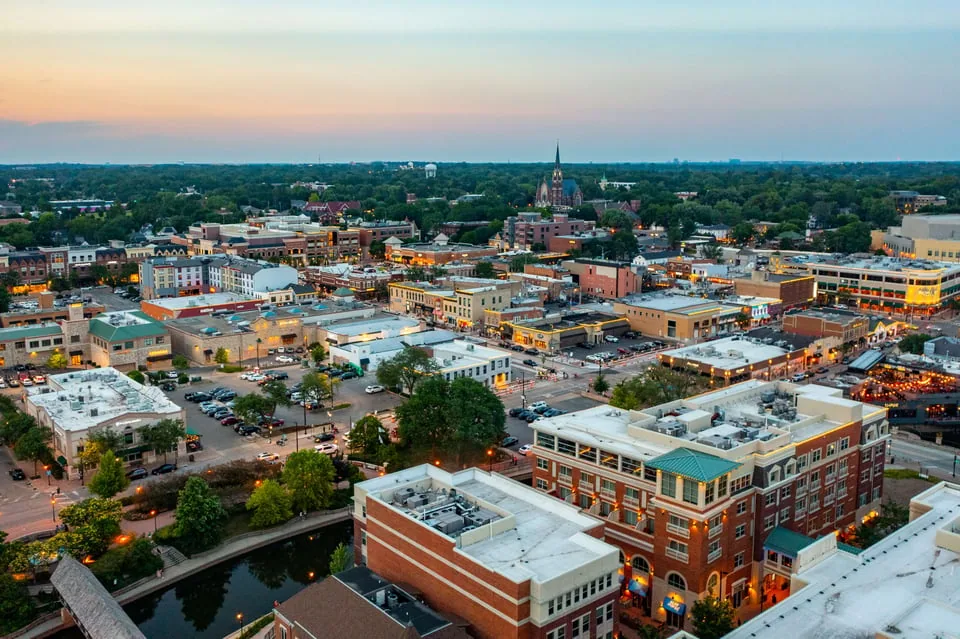
Government Building Roofing in Naperville, IL
Earlier repair material conceals the perimeter fastening line where the metal section has moved. The next examination needs that receiving connection exposed before another patch is proposed. Government building roofing in Naperville, IL, identifies the component requiring access and the material decision it can resolve. We explain the affected roof detail and coordinate the authorized working area through responsible facility personnel.
Commercial Roofing Naperville repairs, replaces and maintains commercial roofs at government and municipal properties. The requested building's assembly and operating use determine the work. Public access, service equipment and authorization procedures can influence the examination and installation sequence. We establish those arrangements with the facility contact while keeping the material scope connected to the sheet, support and detail actually found.
The concealed connection needs a defined examination
A moved edge component may have affected fasteners or the material receiving them. We inspect accessible signs of movement and identify suitable removal to examine the connection beneath earlier repairs. The receiving surface must be assessed before the piece is secured or replaced. Adding another surface layer can leave loose attachment or deteriorated support inside the detail.
Our examination of the public-building perimeter identifies metal, backing and roofing transition conditions separately. A usable retained component may remain where its connection can be restored appropriately. Distorted or deteriorated material can require replacement. The manager receives the physical finding behind that choice, including where another support or wall assessment must precede roofing closure.
We examine adjoining sections where movement could have stressed their connections. The visible damaged piece does not necessarily establish the whole boundary. Appropriate preparation exposes suitable material for the selected repair and allows the completed junction to be checked. The repair account identifies the location and component changed rather than describe an unlocated length of new material at the edge.
The facility contact identifies the relevant working area
A building-entry arrangement may not include the roof or interior room needed for the requested investigation. We identify the locations and purpose of access before the visit. Responsible facility personnel coordinate authorization, escort or other applicable procedures. The examination should reach the detail that could change the roof scope, not merely provide an opportunity to look at an accessible unrelated area.
Inspection of the requested government roof area establishes the material and connection findings made available. If another location remains inaccessible, we explain the question it could resolve and the return access required. That purpose helps the facility contact arrange the appropriate visit. The proposed work identifies supported conditions and the additional examination needed to settle a concealed boundary.
Public entrances and service areas may require a protected route during installation. The facility identifies its operating restrictions and responsible personnel before access equipment is placed. We coordinate the roof stages through those requirements. The work area must also suit material handling and safe installation, with appropriate protection for the connected roof openings and spaces affected.
Equipment handling belongs in the roof sequence
A unit or support can prevent access to its roofing transition. We coordinate the public-building component adjustment and material route with the responsible trade before setting the reconstruction date. The repair must reach suitable material on the affected side, not stop at the visible corners where access is easiest. Equipment activity and roofing preparation are coordinated through the connection they make available.
Assessment of public-facility equipment interfaces distinguishes membrane repair from mechanical, electrical or bearing concerns needing appropriate assessment. We inspect the material exposed and explain further checks where required. The responsible personnel arrange any operating window. The roof sequence identifies protection and permanent closure so the connection does not remain unfinished after the equipment activity ends.
During a broader assembly change, equipment curbs and outlets need the proposed roof level checked. New insulation can alter usable flashing height and discharge approaches. We establish those dimensions before installation. The scope includes the component adjustment necessary for the selected assembly to meet its connected details correctly, rather than a field surface installed independently of the receiving roof interfaces.
The layer findings guide the installation choice
A localized defect can permit repair where the adjoining membrane and support remain suitable. Moisture or deterioration can require investigation and removal beyond the visible opening. We examine those conditions before comparing broader work. The proposal identifies material retained and reconstructed so the owner understands the assembly behind each option.
Assessment for government roof replacement includes deck, insulation, attachment and connected details. An exposed structural concern needs appropriate review before new roofing would conceal it. The installation must receive suitable supporting material under the selected system. A new sheet cannot restore a separate component defect left beneath the roof, so the responsible support assessment enters the sequence where needed.
Our roof work during continued facility operation establishes suitable removal and closure stages. The facility contact identifies the public or service areas affected. Weather or a concealed condition can change the work boundary. We explain the physical reason and next action through the detail still needing attention, helping the responsible parties coordinate a revised operating arrangement.
The receiving outlet needs its surrounding surface
Debris can restrict an outlet while the membrane connection remains intact, or a damaged transition can admit water despite a clear opening. We inspect both components and follow the route feeding discharge. The correction identifies the condition found rather than assume every drainage concern requires the same work. Low pockets may need elevation checks and appropriate design review where a broader change is proposed.
Chicago O'Hare's regional winter normals document snowfall and repeated freezing. At a Naperville property, actual water retention directs attention to safe examination of the receiving detail. We assess outlet approach and supporting material before recommending clearing or reconstruction. A repair beside an unchanged pocket should not be treated as restoration of the water route unless the surface condition itself has been addressed.
Nearby commercial areas support the access discussion
Lisle includes downtown retail and restaurants along with office and business parks across the village. At a requested public property, responsible personnel identify the actual entrances and service areas relevant to roofing. We inspect the construction made accessible and explain any additional area needed. The material recommendation follows that building's roof connection rather than assume a common assembly from its surrounding uses.
A Lisle facility roof examination is coordinated through the responsible contact and applicable procedures. Warrenville also includes regional offices and light-industrial uses in its commercial mix. At a requested building there, operating restrictions and roof findings determine the sequence together. Related school roof services and office-property roofing may need different room access despite similar material details.
Following work, we identify the rebuilt perimeter or membrane junction and material information useful for continued care. Later maintenance should preserve access and use compatible methods. Renewed movement, contact damage or leakage can be reported through a recognizable connection for a focused visit. Any remaining equipment or support concern is described by its component and required follow-up.
Commercial Roofing Questions
Why remove earlier repair material at a moving roof edge?
It can conceal fastening or receiving support needed to establish the repair. We examine the connected components before choosing new work. The scope addresses unsuitable attachment or material beneath the visible surface instead of adding another application that leaves the same concealed condition unresolved.
What authorization is needed for a public-building roof visit?
The facility contact identifies applicable procedures for the requested roof and interior locations. We explain the detail and access needed for examination. Authorization should reach the component that could change the roofing decision, with additional access arranged where a concealed condition remains unresolved.
Can a local membrane defect require deeper layer reconstruction?
Moisture or deterioration may affect insulation and board beyond the opening. We inspect those materials and establish a usable repair boundary. The new sheet connection needs suitable support, with any separate deck concern assessed appropriately before the area is closed.
How are public access routes considered during installation?
Responsible facility personnel identify entrance and service restrictions before the working area is arranged. We coordinate material handling and roof stages through those routes. The installation boundary must also permit suitable protection and closure so access planning supports a complete connected repair.